Hair Care for Aging
Key Takeaways
- Hair changes with age, requiring tailored care.
- Hydration and nutrition are crucial for maintaining healthy hair.
- Regular trims can help manage split ends and promote growth.
- Natural ingredients are beneficial in hair care products.
- Protect your hair from environmental damage.
As we age, our hair undergoes various changes, including thinning, dryness, and loss of luster. It's essential to adapt our hair care routines to address these changes, ensuring that our hair remains youthful and vibrant. In this article, we will explore effective hair care solutions for aging hair, focusing on nutrition, products, and best practices.
The impact of aging on hair health
Understanding how aging affects hair is crucial in developing an effective hair care routine. Here are the most common changes:
- Thinning: Hair density decreases, leading to more visible scalp.
- Dryness: Hair loses moisture, making it more prone to breakage.
- Graying: Melanin production decreases, resulting in gray hair.
- Texture changes: Hair may become coarser or finer.

Nutrition for healthy hair
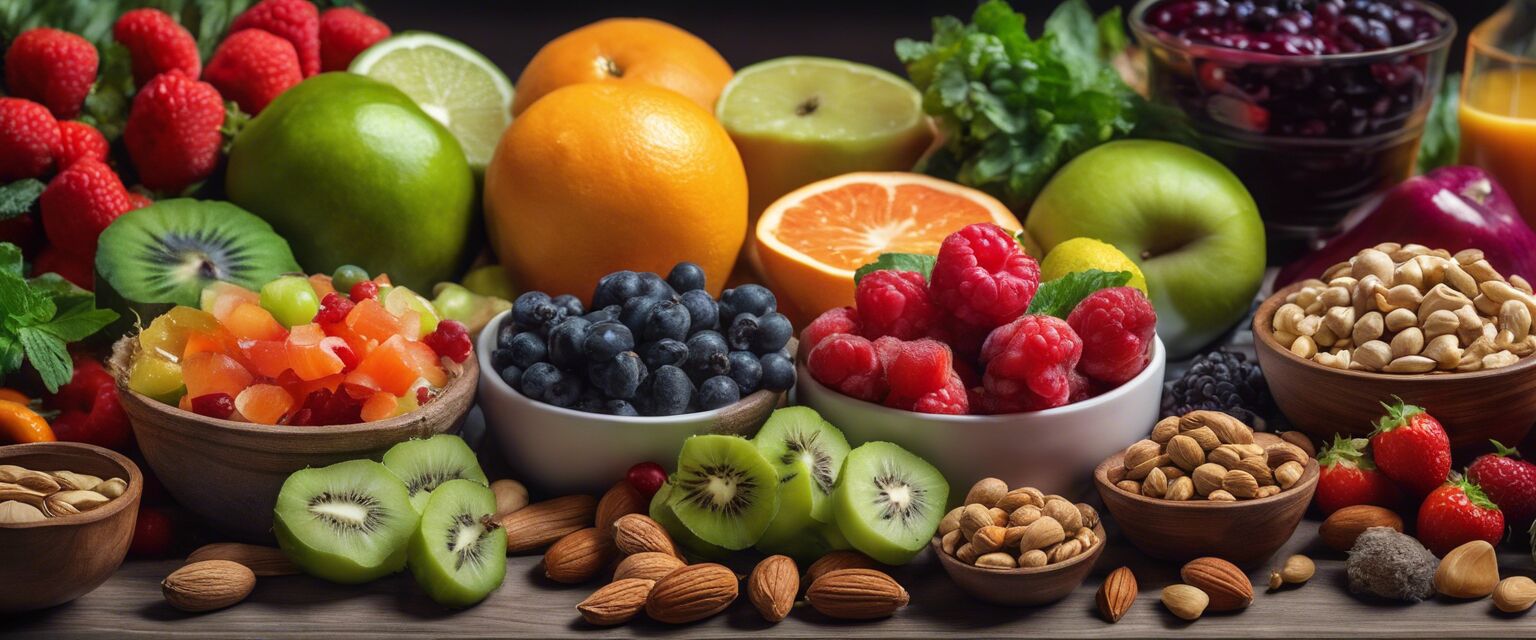
Maintaining a balanced diet plays a significant role in hair health. Here are some key nutrients you should include in your diet:
| Nutrient | Benefits for Hair | Food Sources |
|---|---|---|
| Protein | Essential for hair growth and strength. | Chicken, fish, eggs, legumes |
| Omega-3 Fatty Acids | Provides nourishment and hydration to the scalp. | Salmon, walnuts, flaxseeds |
| Biotin | Supports hair thickness and overall health. | Eggs, almonds, sweet potatoes |
| Vitamins A and C | Promote healthy scalp and hair growth. | Carrots, spinach, citrus fruits |
Choosing the right hair care products
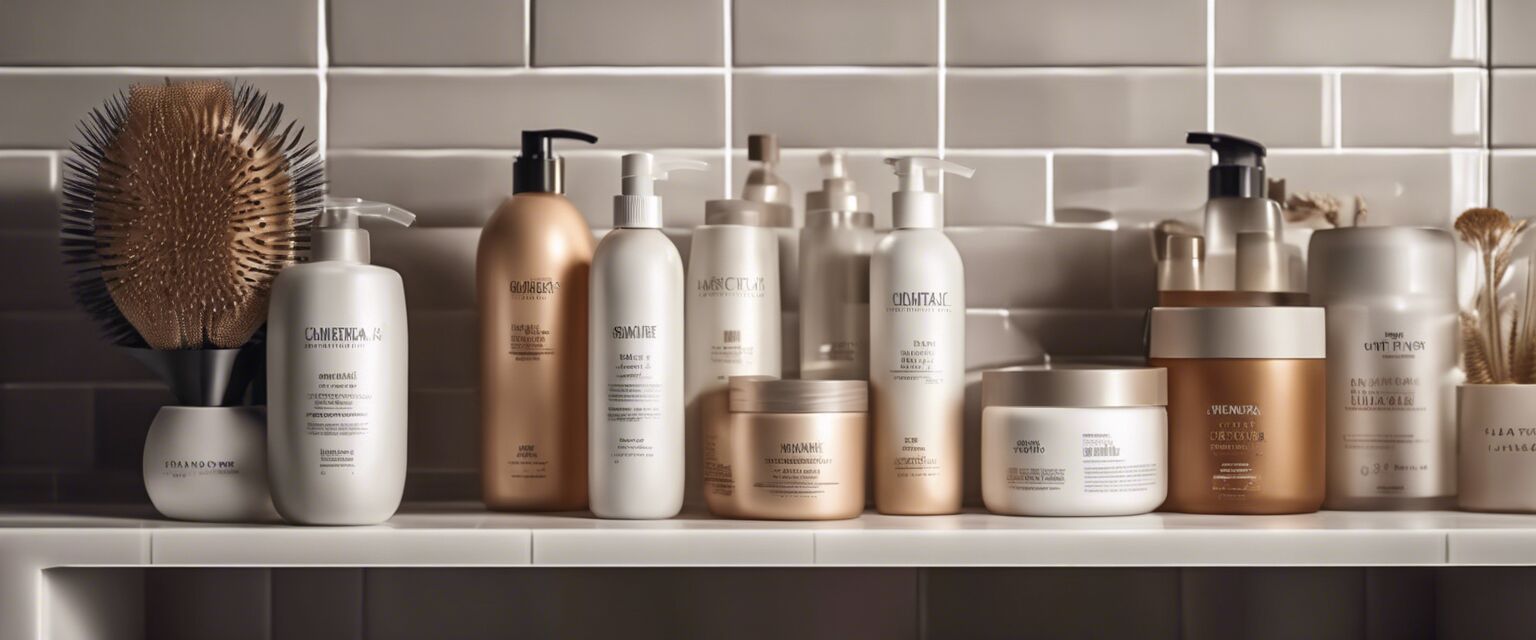
The right products can make a world of difference in maintaining healthy hair. Here are some essential product types to consider:
- Shampoos: Look for sulfate-free options that gently cleanse without stripping moisture.
- Conditioners: Use deep conditioning treatments to hydrate and restore shine.
- Hair oils: Natural oils like argan and coconut can help to nourish and repair hair.
- Serums: Lightweight serums can provide shine and protect against damage.
Natural ingredients to look for
When selecting hair care products, consider those with natural ingredients known for their benefits:
| Ingredient | Benefits |
|---|---|
| Argan Oil | Rich in vitamins, hydrates and adds shine. |
| Coconut Oil | Penetrates hair shaft to prevent damage and dryness. |
| Aloe Vera | Soothes scalp and promotes healthy hair growth. |
| Jojoba Oil | Moisturizes and balances scalp oils. |
Best practices for hair care
In addition to using the right products and nutrition, adopting good hair care practices is essential:
- Regular trims: Schedule haircuts every 6-8 weeks to remove split ends.
- Limit heat styling: Reduce the use of heat tools to prevent damage.
- Gentle brushing: Use a wide-tooth comb and be gentle to avoid breakage.
- Protect from sun: Wear hats or use UV protection sprays when outdoors.
Embracing your natural beauty
As we age, it's essential to embrace our natural beauty. Here are some tips to enhance your confidence:
- Experiment with styles: Try different hairstyles that suit your texture and length.
- Color wisely: Consider natural hair color or highlights to add dimension.
- Stay active: Regular exercise contributes to overall health, including hair health.
Additional resources
For further reading on maintaining a youthful appearance, check out these related articles:
Pros
- Tailored hair care can enhance overall appearance.
- Using natural ingredients can improve hair health.
- Regular maintenance can lead to healthier-looking hair.
Cons
- Finding the right products can take time and experimentation.
- Some natural products may be more expensive.
Beginner's tips for hair care
- Start with a basic routine: shampoo, condition, and apply oil.
- Focus on hydration: drink plenty of water and use hydrating products.
- Be patient: results may take time, so give your routine time to work.